Main Page: Difference between revisions
Jump to navigation
Jump to search
Identified phase three of the project |
No edit summary |
||
| Line 1: | Line 1: | ||
<strong>This is a test website not yet ready for clinical use:</strong> | <strong>This is a test website not yet ready for clinical use:</strong> | ||
<strong>Phase one | <strong>Phase one: Head and neck practice algorithms - complete - removed for phase two.</strong> | ||
<strong>Phase two | <strong>Phase two: Arm pains with a corrective algorithm which will respond to confirmations by registered physicians for initial weighting of muscles completed - live on arms</strong> | ||
Phase three will build on characteristic physical signs or patient symptoms: i.e. rounded shoulder posture, head forward posture, dizziness, tinnitius | <strong>Phase three: Chest pain algorithm including an ACS algorithm derived from JAMA Rational Clinical Exam - in progress</strong> | ||
<strong>Phase four: Continuing with corrective algorithms that change the relative weighing for each question based on expert imput.</strong> | |||
Final Phase will build on characteristic physical signs or patient symptoms: i.e. rounded shoulder posture, head forward posture, dizziness, tinnitius | |||
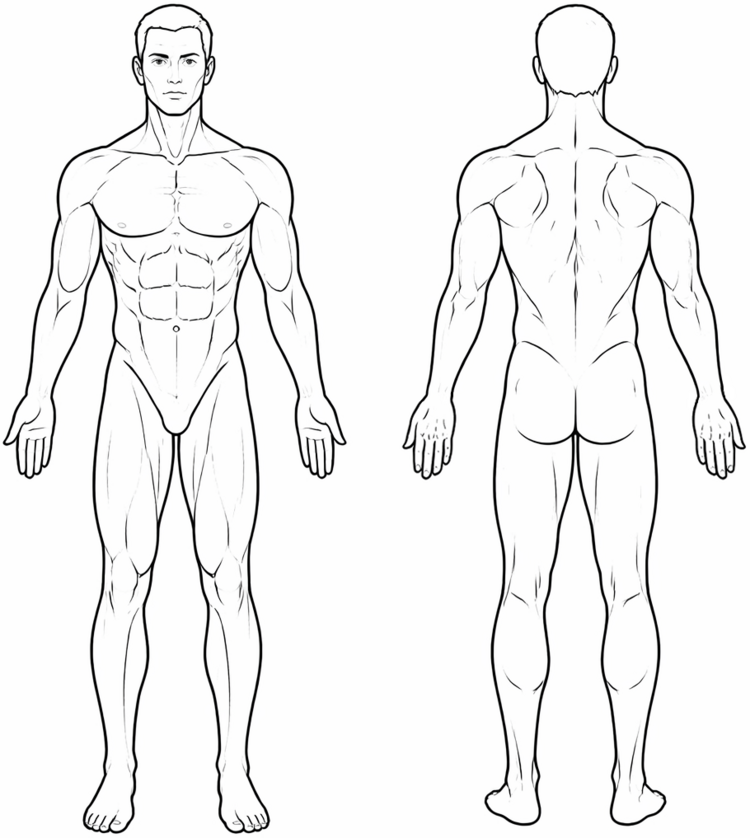
<imagemap> | <imagemap> | ||
Revision as of 15:04, 14 June 2026
This is a test website not yet ready for clinical use:
Phase one: Head and neck practice algorithms - complete - removed for phase two.
Phase two: Arm pains with a corrective algorithm which will respond to confirmations by registered physicians for initial weighting of muscles completed - live on arms
Phase three: Chest pain algorithm including an ACS algorithm derived from JAMA Rational Clinical Exam - in progress
Phase four: Continuing with corrective algorithms that change the relative weighing for each question based on expert imput.
Final Phase will build on characteristic physical signs or patient symptoms: i.e. rounded shoulder posture, head forward posture, dizziness, tinnitius